
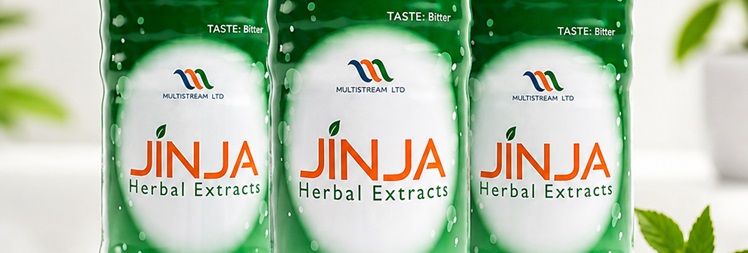
Introduction: Understanding Jinja Herbal Extracts
One product attracting attention in Lagos is Jinja Herbal Extracts, a Nigerian herbal product associated with Multistream TM Limited.
If you have heard about Jinja Herbal Extracts from a friend, seen it advertised online, or encountered it through a distributor, you may have several questions. What exactly is it? What should you know before buying it? How should you evaluate the product’s ingredients? Is it suitable for everyone? And how can you determine whether the information you read about it is reliable?
These are important questions, particularly when choosing any product intended for personal wellness.
This guide explores Jinja Herbal Extracts from an educational perspective. It explains what herbal extracts are, what to check on the product label, how to evaluate health claims, and the safety considerations consumers should understand before using an herbal preparation.
The goal is simple: to help you make informed decisions rather than relying on exaggerated advertisements or promises of instant results.
What Are Jinja Herbal Extracts?
Jinja Herbal Extracts is a herbal product associated with Multistream TM Limited in Nigeria. It is presented as a traditional herbal preparation, and it has attracted interest among people exploring plant-based wellness products.
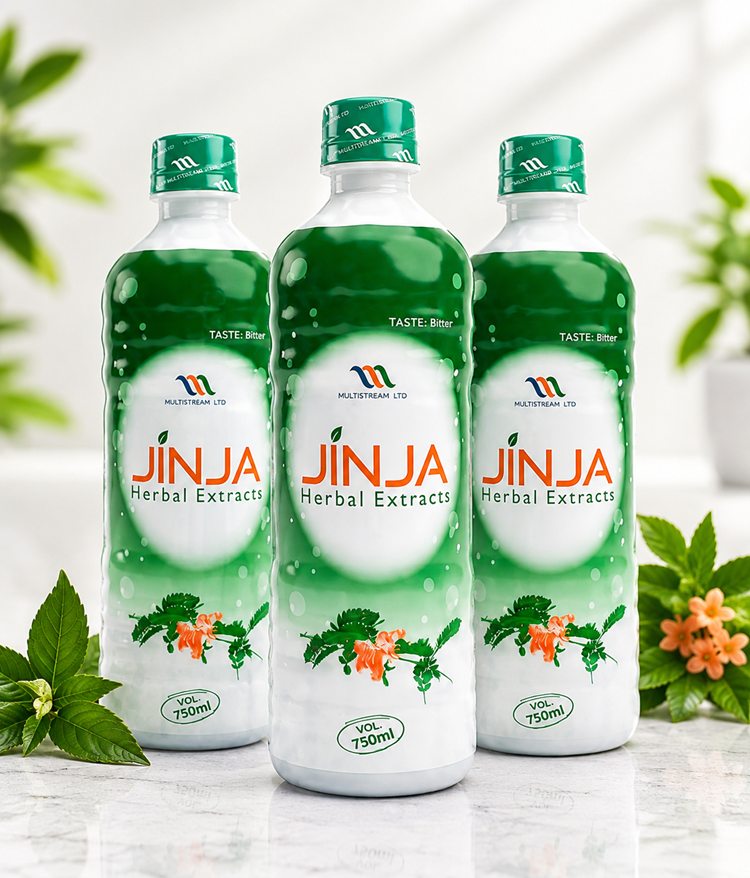
To understand the product better, it helps to understand what a herbal extract is.
A herbal extract is a preparation made by processing plant material to obtain certain naturally occurring substances. Depending on the formulation, the plant material may include roots, leaves, bark, seeds, fruits, or other parts of a plant.
Different extraction methods can produce different preparations. Some extracts are made using water, while others may use different extraction solvents or processing techniques. The final composition depends on the plants selected, the extraction method, the concentration, and the manufacturing process.
A herbal extract is therefore not automatically equivalent to eating the original plant or drinking a homemade herbal infusion.
For consumers interested in Jinja Herbal Extracts, the most useful starting point is to examine the actual product label and official product information. These should identify the manufacturer or responsible company, ingredients, directions for use, warnings, batch details, and applicable regulatory information.
Knowing these details makes it easier to understand what you are purchasing and whether the product is appropriate for your circumstances.
Why Are People Interested in Jinja Herbal Extracts?
People explore herbal products for different reasons. Some are interested in traditional approaches to wellness, while others want to understand the plant ingredients used in particular formulations.
The interest in Jinja Herbal Extracts should be considered within this wider interest in herbal preparations.
However, it is important to distinguish three different things:
- Traditional use: A plant may have a history of use in a particular cultural or traditional practice.
- Scientific evidence: Researchers may investigate a plant or formulation to determine its chemical composition, biological activity, and safety.
- Proven clinical benefit: Reliable human studies must establish whether a particular product produces a meaningful health benefit for a specific use.
These categories are not interchangeable.
For example, a plant may contain compounds that demonstrate antioxidant activity in a laboratory. That finding does not automatically establish that a commercial herbal drink improves immunity, treats an infection, or prevents a disease in humans.
Similarly, research involving an individual plant does not necessarily establish the effectiveness of a finished mixture containing that plant.
When learning about Jinja Herbal Extracts, consumers should therefore look for evidence relating to the actual formulation and the specific health claims being made about it.
What Ingredients Are in Jinja Herbal Extracts?
Ingredients are among the most important things to investigate before choosing any herbal product.
The name of a product does not provide enough information to determine its composition. Even when a product is described as natural or herbal, consumers need to know which plants it contains and how the preparation is manufactured.
If you are considering Jinja Herbal Extracts, check the packaging or obtain the current official ingredient list from the manufacturer or an authorised distributor.
Pay attention to the following details:
1. The names of the plants
The label should identify the ingredients clearly. Where possible, botanical names are useful because different plants may share similar common names.
For example, two plants can have similar local names but different chemical compositions. Identifying the botanical species helps reduce confusion.
2. The plant parts used
Roots, leaves, bark, seeds, and fruits can contain different substances. Knowing which part of a plant is included helps provide a clearer picture of the formulation.
3. The extraction process
The way a plant is processed can influence the substances present in the final product. Consumers should consult official product documentation for information about the preparation method when this information is available.
4. The concentration and serving information
A list of ingredients alone may not explain the amount of each ingredient present. The label and official product documentation should provide the relevant serving and usage information.
5. Possible allergens and other ingredients
Some formulations contain additional ingredients, preservatives, flavourings, or other substances. Anyone with an allergy or sensitivity should check the complete label carefully.
Important: Do not assume that Jinja Herbal Extracts contains a particular combination of plants simply because that combination is mentioned on an unrelated website or social media post. Use the current, verified product information.
Potential Wellness Benefits: What Should Consumers Understand?
Herbal products are often discussed in relation to several areas of wellness. Understanding these areas can help consumers assess marketing claims more critically.
It is essential, however, to separate general information about herbal preparations from evidence establishing specific benefits of Jinja Herbal Extracts.
1. Interest in plant-based wellness
Plants contain a variety of naturally occurring substances, including polyphenols, flavonoids, tannins, and other compounds.
Researchers study some of these substances because they may have biological activities under particular experimental conditions.
However, the presence of a compound does not by itself prove that a finished herbal product produces a particular health outcome.
For this reason, anyone interested in Jinja Herbal Extracts should look for reliable information about the actual formulation rather than assuming that every property associated with medicinal plants applies to the finished product.
2. General wellness and healthy routines
Maintaining wellbeing involves several everyday habits, including eating a varied diet, drinking sufficient water, getting adequate sleep, staying physically active, and seeking appropriate healthcare.
A herbal product should not be viewed as a replacement for these foundations of health.
People who are considering Jinja Herbal Extracts should think about how any supplement fits into their overall routine and whether its ingredients are suitable for them.
3. Interest in digestive wellness
Digestive comfort is another reason some people explore herbal preparations.
However, digestive symptoms can have many causes. Persistent abdominal discomfort, changes in bowel habits, repeated vomiting, or unexplained symptoms deserve appropriate medical assessment.
It is not safe to assume that an herbal extract will resolve the underlying cause of a digestive problem.
4. Interest in antioxidant research
Antioxidants are substances that can help counter certain chemical processes involving free radicals. Various plant compounds are investigated for antioxidant activity.
Nevertheless, laboratory antioxidant findings do not automatically translate into demonstrated benefits for preventing or treating diseases in people.
If research is cited in connection with Jinja Herbal Extracts, readers should check whether the research examined the finished product, whether it involved human participants, and whether its conclusions support the specific claim being made.
5. Traditional approaches to wellbeing
Traditional herbal practices form part of the history and culture of many communities, including communities across Nigeria.
These traditions can be an important subject of study. At the same time, traditional use alone does not establish that every preparation is effective or safe for every person.
The best approach is to respect traditional knowledge while also examining product quality, scientific evidence, potential risks, and individual health needs.
Can Jinja Herbal Extracts Treat Diseases?
This is an important question because online advertisements sometimes associate herbal products with numerous health conditions.
A responsible answer requires reliable evidence for the particular product and the specific condition being discussed.
There is no sound basis for assuming that Jinja Herbal Extracts can cure multiple unrelated diseases simply because it is herbal or contains plant-derived substances.
Claims involving diabetes, high blood pressure, cancer, infections, fertility problems, ulcers, or other significant medical conditions require particular caution.
For example:
- Diabetes requires appropriate monitoring and evidence-based management.
- High blood pressure may require prescribed medication and regular measurement.
- Cancer requires diagnosis and treatment decisions made with qualified healthcare professionals.
- Persistent infections may require testing and condition-specific treatment.
- Fertility difficulties can have different causes and may require medical investigation.
Replacing prescribed treatment with an unproven herbal preparation can delay effective care and lead to serious consequences.
Consumers should not stop prescribed medication or change a treatment plan because of an advertisement, testimonial, or recommendation from a product distributor.
For more information about health claims surrounding Jinja Herbal Extracts, see the independent fact-check published by Africa Check, which examined claims that the product cures a range of diseases:
A careful approach protects consumers and helps ensure that decisions are based on credible information.
What Does Scientific Research Tell Us About Herbal Extracts?
Scientific research can help explain the composition, possible biological activity, and safety of herbal preparations. However, not all studies provide the same level of evidence.
Understanding the differences between research methods is particularly useful when evaluating Jinja Herbal Extracts.
Laboratory studies
Laboratory research can investigate chemical constituents and observe how a substance behaves under controlled experimental conditions.
Such studies may identify compounds of scientific interest, but they cannot independently establish that a product will treat a disease in humans.
Animal studies
Animal studies may provide information about biological effects and certain aspects of toxicity.
Nevertheless, findings in animals cannot always be applied directly to humans. Differences in metabolism, dosage, and biological responses must be considered.
Human clinical studies
Well-designed human studies can provide more direct evidence about a product’s safety and effectiveness for a specific purpose.
The quality of the study matters. Researchers consider factors such as participant numbers, comparison groups, study duration, measured outcomes, and potential sources of bias.
Research on the finished formulation
This distinction is especially important.
A study of one ingredient does not automatically validate a mixture containing that ingredient. Other ingredients, extraction methods, concentrations, and manufacturing conditions may change the final product.
When assessing claims about Jinja Herbal Extracts, look for studies that clearly identify the formulation tested and explain what the findings actually demonstrate.
Scientific evidence is most useful when its conclusions are presented accurately, without exaggeration.
Is Jinja Herbal Extracts Safe?
Safety should be considered before using any herbal product.
The word natural does not automatically mean that a product is harmless. Plants contain many different chemical substances, and some can cause adverse reactions or interact with medicines.
The safety of a particular preparation depends on its ingredients, concentration, manufacturing quality, intended use, and the person taking it.
Before using Jinja Herbal Extracts, consider these precautions.
Check the product label
Read the ingredients, directions, warnings, storage instructions, and expiry date.
Do not use a product if its label is missing, damaged, unclear, or inconsistent with the information supplied by the seller.
Ask about medication interactions
Some herbal ingredients can interact with prescribed medicines or affect how the body processes them.
If you take medication regularly, ask a qualified doctor or pharmacist to assess the specific ingredients before using the product.
Seek professional advice if you have a medical condition
People managing ongoing health conditions should not assume that a herbal preparation is suitable for them.
A healthcare professional can help assess potential risks based on the person’s condition, medicines, and the product’s ingredients.
Take extra care during pregnancy and breastfeeding
Herbal preparations may not have adequate safety data for pregnancy or breastfeeding.
Avoid using a product in these circumstances unless a qualified healthcare professional confirms that it is appropriate.
Do not give it to children without professional guidance
Children can respond differently to substances than adults. Do not assume that an adult herbal preparation is suitable for a child.
Stop and seek advice if you experience an adverse reaction
If you experience an unexpected reaction after using a herbal product, stop using it and seek appropriate medical advice. Serious symptoms require urgent medical attention.
These precautions are not unique to Jinja Herbal Extracts. They are sensible steps when considering any herbal preparation.
How to Choose a Genuine Jinja Herbal Extracts Product
When buying a herbal product, the seller and product packaging deserve as much attention as the product name.
The following checklist can help consumers make a more informed purchasing decision.
1. Verify the manufacturer. Confirm the name of the responsible company and obtain product information from an identifiable, reliable source.
2. Inspect the packaging. Check that the seal is intact and that the label provides the required product information.
3. Check the ingredients. Make sure you can identify the formulation and review any warnings relevant to you.
4. Verify the regulatory details. If the product displays a NAFDAC registration number, check that the number corresponds to the correct product and current registration details.
5. Check the expiry date and batch number. These details help identify the specific product and establish whether it is within its stated shelf life.
6. Ask for a receipt. A receipt provides a record of your purchase and may help if you need to raise a complaint.
7. Avoid unsupported promises. Be cautious of anyone who guarantees a cure, promises instant results, or advises you to abandon medical treatment.
Understanding NAFDAC registration
In Nigeria, the National Agency for Food and Drug Administration and Control regulates relevant categories of products, including herbal medicines and related products.
NAFDAC provides a Greenbook database that consumers can use to investigate registered products:
If you are checking Jinja Herbal Extracts, search for the exact product name and registration details. Confirm that the listing matches the product you intend to purchase.
It is important to understand that registration should not be interpreted as proof that a product can cure every condition mentioned in an advertisement. The scope of any authorised claim matters.
NAFDAC also publishes guidance on herbal product labelling and registration. Its requirements are relevant to manufacturers, distributors, and consumers seeking reliable product information.
How Should You Use Jinja Herbal Extracts?
The correct directions depend on the specific product formulation and its official label.
Do not guess the serving size, dilute the product differently from the instructions, or increase the amount in the hope of obtaining faster results.
Before using Jinja Herbal Extracts, follow these steps:
- Read the complete label and instructions.
- Confirm that the product is appropriate for your age and circumstances.
- Ask a pharmacist or doctor about possible interactions if you take medication.
- Follow the manufacturer’s stated directions, provided a healthcare professional has confirmed that use is appropriate for you.
- Store the product as directed and keep it away from children.
- Do not use an expired product or one with signs of contamination or packaging damage.
If you are unsure about the instructions, obtain clarification from the manufacturer or a qualified healthcare professional before use.
There is no reason to assume that taking more of an herbal product will produce greater benefits. Increasing the amount without guidance can increase the risk of unwanted effects.
Who Should Be Particularly Careful?
Although people have different reasons for considering herbal products, some groups need additional care.
People taking prescription medicines
Interactions may change the effects of medicines or increase the likelihood of side effects. A doctor or pharmacist should review the actual ingredients.
People managing long-term conditions
Anyone with diabetes, hypertension, liver or kidney disease, or another ongoing medical condition should seek professional advice before adding a herbal preparation to their routine.
Pregnant or breastfeeding individuals
Do not assume that a product is safe during pregnancy or breastfeeding because it contains plant ingredients.
Children and teenagers
Products intended for adults should not automatically be considered appropriate for younger people. A qualified healthcare professional should assess suitability.
People preparing for surgery
Some herbal products can affect bleeding, blood pressure, blood sugar, or the effects of medicines used during surgery. Inform your healthcare team about any herbal preparations you use.
These precautions help people make decisions based on their individual circumstances rather than general promotional statements.
Jinja Herbal Extracts and Healthy Living
A healthy lifestyle is built from several habits working together. No single drink, supplement, or herbal preparation can replace the foundations of good health.
If your interest in Jinja Herbal Extracts comes from a desire to improve your wellbeing, consider these practical habits.
Eat a varied diet
Include a variety of vegetables, fruits, whole grains, legumes, and suitable protein sources. The right balance depends on your nutritional needs and circumstances.
Stay hydrated
Drink sufficient safe water throughout the day. Your needs may vary depending on the weather, physical activity, and other factors.
Get enough sleep
Consistent, adequate sleep supports everyday functioning and wellbeing. Establishing a regular sleep routine can help.
Remain physically active
Choose activities appropriate for your age, health, and abilities. Regular movement is an important part of a healthy lifestyle.
Attend appropriate health checks
Routine assessments can help identify health issues that may not produce obvious symptoms.
Seek help when symptoms persist
Do not rely on a herbal product to investigate unexplained pain, persistent fatigue, recurring infections, unusual bleeding, or other ongoing symptoms.
These habits remain valuable regardless of whether a person chooses to use a herbal product.
Frequently Asked Questions About Jinja Herbal Extracts
1. What is Jinja Herbal Extracts?
Jinja Herbal Extracts is a herbal product associated with Multistream TM Limited in Nigeria. Consumers interested in the product should consult its current label and official documentation to understand its composition, intended use, directions, and safety information.
2. What are the ingredients in Jinja Herbal Extracts?
The complete ingredient list should be obtained from the current product packaging or official manufacturer documentation. Consumers should not rely on unverified ingredient lists circulated online.
3. Is Jinja Herbal Extracts a natural product?
It is marketed as a herbal preparation. However, the precise ingredients, processing methods, and other formulation details should be verified using official product information.
The term natural does not by itself establish safety or effectiveness.
4. Can Jinja Herbal Extracts cure diseases?
There is no adequate basis for assuming that it cures a broad range of diseases. Claims involving serious medical conditions should be supported by reliable evidence for the specific product and use.
Do not replace prescribed treatment with an unproven herbal preparation.
5. Is Jinja Herbal Extracts suitable for everyone?
No product should be assumed suitable for everyone. Age, medical conditions, pregnancy, allergies, and medication use can affect suitability.
Consult a qualified healthcare professional when you are uncertain.
6. Can I use Jinja Herbal Extracts alongside my medication?
That depends on the ingredients and the medication involved. Ask your doctor or pharmacist to assess possible interactions before combining them.
Do not discontinue prescribed medication without professional guidance.
7. How do I know whether a bottle is genuine?
Inspect the packaging, label, batch number, expiry date, and seller information. If a NAFDAC registration number is displayed, verify the details using the official database.
Buy from a reliable source and ask for a receipt.
8. Where can I find reliable information about Jinja Herbal Extracts?
Start with the product label, official manufacturer documentation, relevant regulatory records, and credible independent research.
Be cautious of social media posts that promise guaranteed results or claim that one product treats many unrelated diseases.
9. Does herbal mean there are no side effects?
No. Herbal products can cause adverse reactions and interact with medicines. Their safety depends on the ingredients, preparation, amount used, and individual circumstances.
10. What should I do if I am unsure whether the product is right for me?
Ask a qualified doctor or pharmacist to review the product’s ingredients and your circumstances. This is particularly important if you have an ongoing medical condition or take regular medication.
11. Where can I buy Jinja Herbal Extracts Online?
You can get jinja herbal extracts from Jinja Herbal Store in Lagos. They distribute every in Lagos, Nigeria. You can also order online via WhatsApp on +234 806 375 2014.
Final Thoughts on Jinja Herbal Extracts
Jinja Herbal Extracts has attracted interest among consumers exploring herbal products in Nigeria. If you are researching this product, the most useful approach is to look beyond its name and promotional messages.
Understand the ingredients. Review the product label. Verify applicable registration details. Look for reliable evidence supporting specific claims. Consider potential interactions and seek professional advice when necessary.
Herbal products can be an important subject of traditional practice and scientific investigation, but being plant-based does not automatically establish that a product is effective for every purpose or safe for every person.
Responsible decisions begin with accurate information.
Whether you first heard about Jinja Herbal Extracts through a friend, a distributor, or an online advertisement, take the time to understand what the product contains and what the available evidence actually demonstrates.
Your health deserves informed decisions, realistic expectations, and appropriate professional care.
Disclaimer: This article is for general educational purposes only. It is not a substitute for medical advice, diagnosis, or treatment. Consult a qualified healthcare professional about personal health concerns and before using herbal products alongside medication.